Source Red E Motorcycle Brake Pump for street, scooter, and off-road
Compare 30 listings for the Red E Motorcycle Brake Pump to find options for street motorcycles, scooters, and off-road bikes. Buyers can review specifications like material, screw size, and warranty terms from verified suppliers.
Key considerations
Products List


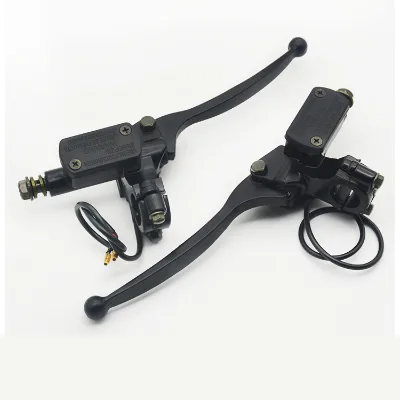
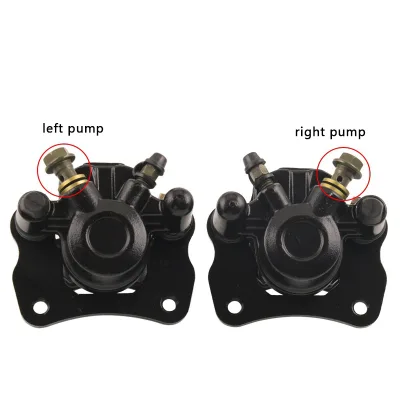
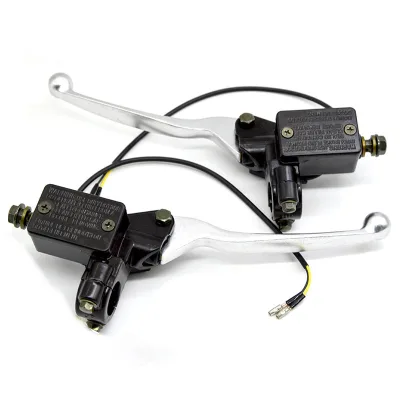
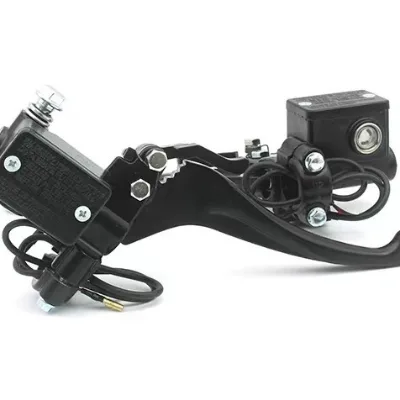
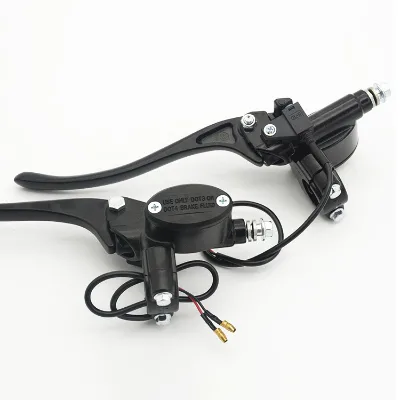
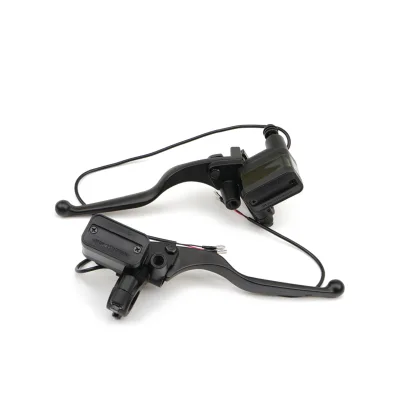


Adjustable High-Performance Factory Price Motorcycle Brake Pump for Honda
$6.60 - $10.50
MOQ: 1 Pieces

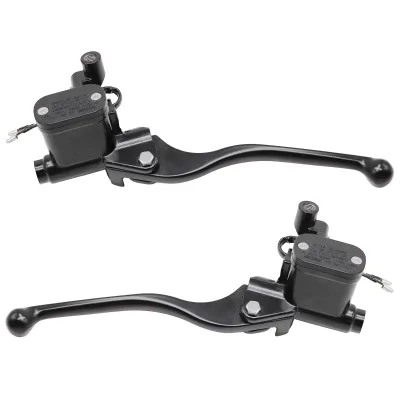
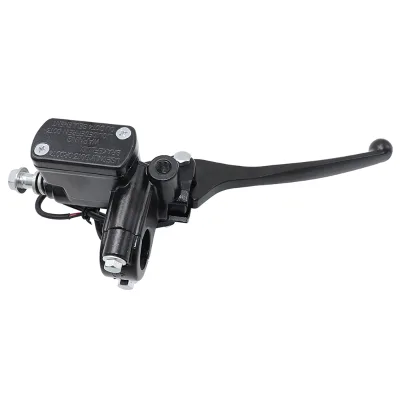
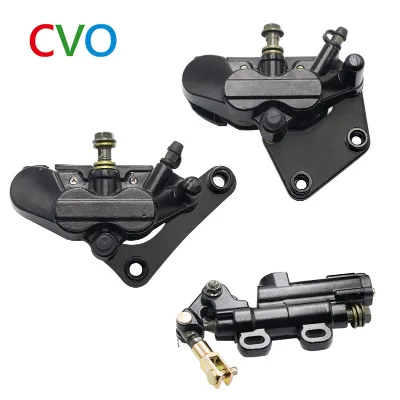
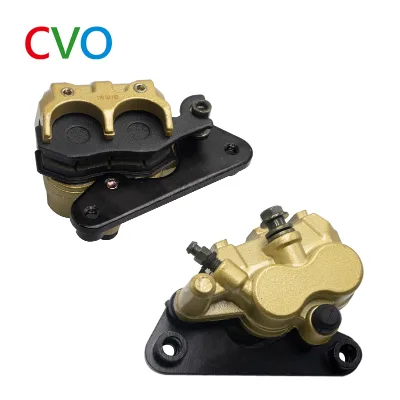
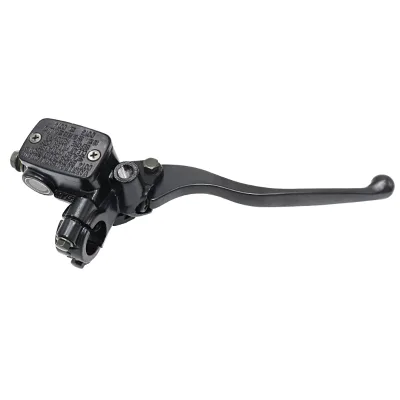
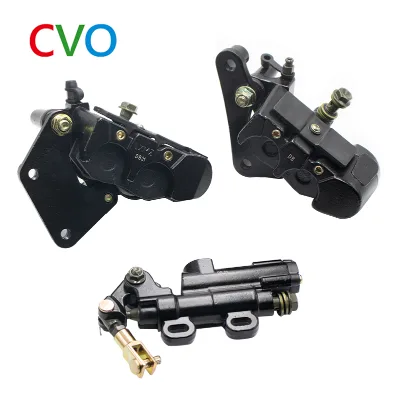


Comprehensive Sourcing Guide
Strategic Sourcing Guide for Red Motorcycle Brake Pumps
Understanding Product Variants and Technical Specifications
When sourcing a red motorcycle brake pump, buyers must first navigate the diverse landscape of technical specifications available in the current market. The core keyword often encompasses a range of components, including master cylinders, brake pumps, and vacuum pumps, each serving distinct hydraulic or pneumatic functions within a motorcycle's braking system. Based on observed market data, the material composition is a primary differentiator. High-quality units are frequently constructed from aluminum or aluminum alloy, which offers an optimal balance of weight reduction and structural integrity. Some listings specify "all aluminum" construction, while others note "aluminum alloy," indicating potential variations in the specific metallurgical grade or casting process used by different manufacturers.
The physical dimensions and fitment requirements are critical for successful procurement. The market data indicates that these components are designed to accommodate specific mounting standards, with screw sizes commonly listed as M8 or M10. The diameter for the handbar is typically standardized at 22mm, ensuring compatibility with a wide array of street motorcycles, scooters, and electric motorcycles. Furthermore, the tubing screw dimensions are often cited as 8mm or 10mm, which dictates the hydraulic line connections. Buyers should verify that the specific unit they select matches the diameter of their existing brake lines and the mounting hole spacing of their motorcycle frame. The product is available in various colors, with black and silver being standard, though the specific request for a "red" finish requires careful filtering of supplier catalogs to ensure the aesthetic requirement is met without compromising the underlying engineering.
Compliance, Certification, and Quality Standards
In the realm of B2B procurement for automotive safety components, certification status is a non-negotiable factor. While specific test results are not universally published in every listing, the presence of ISO certifications is a strong indicator of a supplier's commitment to quality management systems. Observed data confirms that many suppliers adhere to ISO9001:2000 standards, which validates their processes for consistent manufacturing and quality control. Additionally, some product listings explicitly mention ISO certifications related to specific product types, such as motorcycle brakes, suggesting a specialized focus on the safety requirements of this sector.
Buyers must exercise caution regarding certification claims. While some background information mentions CE certification, this should be treated as a background reference rather than a guaranteed attribute for every listed product. The absence of a specific certification claim in a product description does not necessarily imply non-compliance, but it does require the buyer to request documentation directly from the supplier before placing an order. The "Standard" classification found in product attributes suggests that these items are manufactured to meet general industry norms rather than proprietary or ultra-high-performance standards. Therefore, the procurement strategy should involve a rigorous verification process where the buyer requests valid, current certificates from the supplier to ensure the product meets the regulatory requirements of the target market, whether it be North America, South America, or Western Europe.
Cost Drivers and Pricing Dynamics
The pricing structure for motorcycle brake pumps is influenced by several variables, including material quality, customization options, and order volume. The observed price range in the market spans from approximately $0.84 to $16.50 USD, a significant variance that reflects differences in product complexity and manufacturing costs. Lower-priced items may be basic units with minimal customization, while higher-priced units likely feature enhanced durability, specific color finishes like red, or advanced engineering for electric motorcycles and dual-sport applications.
The Minimum Order Quantity (MOQ) is another critical cost driver. Data indicates that MOQs can range from as low as 1 unit for sample orders to 500 units for bulk procurement. However, a common threshold for standard commercial orders appears to be around 50 pieces. Suppliers often structure their pricing tiers to reward larger volume commitments, which can significantly reduce the unit cost. Buyers should also consider the packaging costs, as options range from neutral packaging in OPP bags to more robust carton packaging, which may impact the final landed cost. The "purpose" of the product, whether for manufacturing or for replacement and repair, can also influence the pricing strategy, with repair parts often commanding a premium due to the need for higher precision and reliability.
Typical Applications and Vehicle Compatibility
The versatility of the red motorcycle brake pump is a key selling point, with applications spanning a wide spectrum of vehicle types. The market data highlights compatibility with street motorcycles, off-road motorcycles, dual-sport motorcycles, cruisers, scooters, and electric motorcycles. This broad applicability suggests that the design is adaptable to various braking systems, including disc brakes, which are the most common configuration for modern motorcycles. The product is suitable for both front and rear wheel applications, offering flexibility for buyers sourcing components for complete vehicle overhauls or specific repair jobs.
For electric motorcycles and scooters, the specifications often include features such as waterproofing and dustproofing, which are essential for protecting the hydraulic or pneumatic components from environmental exposure. The wire length for certain models is specified between 65cm and 200cm, indicating that these units may include integrated wiring for electronic braking systems or sensors, a feature particularly relevant for electric vehicles. The "not specified" category in vehicle models suggests that some units are universal fitments, but buyers must verify the specific fitment details against their inventory to avoid compatibility issues. The condition of the products is consistently listed as "new," ensuring that buyers receive functional, ready-to-install components rather than refurbished or used parts.
Supplier Evaluation and Market Positioning
Evaluating suppliers requires a focus on their geographic origin and market reach. The primary production hubs identified in the data are Ningbo, Zhejiang, and Jiangxi, China, regions known for their robust manufacturing capabilities in automotive parts. These locations are strategic for sourcing due to established supply chains and logistics networks. The main markets for these products include North America, South America, and Western Europe, indicating that suppliers with experience in these regions are likely to be more familiar with the specific regulatory and quality expectations of those buyers.
When assessing a potential supplier, buyers should look for evidence of customization capabilities. The market data confirms that customization is available, which is crucial for buyers seeking specific color finishes like red or tailored packaging solutions. A supplier's ability to offer custom orders often correlates with a higher level of operational flexibility and customer service. However, buyers must avoid relying on unverified claims and instead request concrete examples of previous custom work. The "neutral package" option suggests that some suppliers are equipped to handle private label or white-label requirements, which is beneficial for distributors and retailers looking to brand the products under their own names.
Quality Control and Long-Term Procurement Considerations
Ensuring the long-term reliability of the brake pump requires a robust quality control (QC) strategy. The observed features such as "durable," "waterproof," and "dustproof" are performance claims that must be validated through testing. Buyers should implement a QC protocol that includes visual inspections for finish quality, dimensional checks for screw and tubing compatibility, and functional testing of the braking mechanism. The warranty period, often cited as 6 months, provides a baseline for the expected product lifespan, but buyers should negotiate terms that align with their specific risk tolerance and usage patterns.
For long-term procurement, establishing a relationship with a supplier who offers consistent quality is paramount. The "purpose" of the product for manufacturing or repair implies that the supply chain must be reliable to prevent production delays or inventory shortages. Buyers should consider the lead times associated with different order volumes and the flexibility of the supplier to handle rush orders. Additionally, the availability of spare parts and the ease of replacement should be factored into the decision-making process. By focusing on suppliers with proven track records in the relevant markets and those who provide transparent documentation regarding their manufacturing processes, buyers can mitigate risks and ensure a steady supply of high-quality brake pumps for their operations.
Comparative Analysis of Product Attributes
To facilitate a clearer decision-making process, the following table summarizes the key attributes observed in the market for motorcycle brake pumps. This comparison highlights the variability in specifications that buyers must consider when selecting a supplier.
| Attribute Category | Observed Variations | Key Verification Points |
|---|---|---|
| Material | Aluminum, Aluminum Alloy, All Aluminum | Verify metallurgical grade and casting quality. |
| Screw Size | M8, M10, 8mm/10mm tubing | Match with existing brake line and mounting hardware. |
| Handbar Diameter | 22mm | Confirm compatibility with handlebar standards. |
| Vehicle Fitment | Street, Off-road, Electric, Scooter, Cruiser | Cross-reference with specific motorcycle models. |
| Certification | ISO9001:2000, ISO (Type: Motorcycle Brake) | Request valid, current certificates from supplier. |
| Packing | Neutral Package, OPP Bag, Carton | Assess protection level for shipping and storage. |
| Warranty | 6 Months | Clarify terms for claims and replacements. |
| Color Options | Black, Silver, Red (Requested) | Confirm availability of specific color finishes. |
This structured approach ensures that buyers can systematically evaluate potential suppliers against their specific requirements, minimizing the risk of procurement errors and ensuring the acquisition of high-quality, compliant motorcycle brake pumps.
FAQs
What materials are used for red e motorcycle brake pumps?
These pumps are constructed from aluminum or aluminum alloy to ensure durability and weight reduction. Some listings specify all aluminum construction, which offers structural integrity while maintaining a lightweight profile for electric motorcycles and scooters.
Which screw sizes fit these brake pump units?
The units typically accommodate M8 or M10 screw sizes for mounting and tubing connections. Buyers must verify that the specific screw dimensions match their existing brake lines and frame mounting holes to ensure proper installation.
Can I find customization options for red brake pumps?
Yes, customization is available for specific color finishes and packaging requirements. Suppliers can often provide tailored solutions, but buyers should confirm the availability of the red finish and request samples before placing bulk orders.
What is the minimum order quantity for these pumps?
The minimum order quantity typically starts at 50 pieces for standard commercial orders. However, sample orders may be accepted with a lower MOQ of 1 unit, while bulk procurement can reach up to 500 units.
Where are these brake pumps manufactured and shipped from?
Products originate from manufacturing hubs in Ningbo, Zhejiang, and Jiangxi, China. These locations support established supply chains for shipping to main markets including North America, South America, and Western Europe.
How long is the warranty period for these brake pumps?
The standard warranty period is 6 months for new units. Buyers should clarify specific claim terms and replacement policies with the supplier to ensure adequate protection against defects during the warranty duration.